If you are searching for a Rivertown with real character, Ossining stands out fast. This is not a place that feels flat, generic, or one-note. In Ossining, the Hudson River, a walkable village center, and higher residential streets all shape daily life in different ways. If you want to understand what it is really like to live here, this guide will walk you through the setting, the housing mix, the commute, and the day-to-day feel. Let’s dive in.
Why Ossining feels distinct
Ossining describes itself as a historic Hudson River community and notes that it was the first incorporated village in Westchester County, chartered in 1813. That long history still shows up in how the village looks and functions today.
What makes Ossining especially interesting is its geography. Village planning materials point to the hills that separate the waterfront from the rest of the village, while the historic downtown follows the incline of the land. In practical terms, that creates three connected living experiences: the riverfront, the village core, and the hilltop residential areas.
Riverfront life in Ossining
The waterfront is one of Ossining’s biggest lifestyle draws. Village planning focuses on about three miles of Hudson River shoreline, with the goal of strengthening the riverfront as a recreation destination and linking it to other major outdoor routes and natural areas.
If you enjoy being outside, this part of Ossining offers a lot within a compact area. The riverfront connects to the Westchester RiverWalk, Crawbuckie Nature Preserve, and the Old Croton Aqueduct Trail, giving you more than just a scenic view.
What you can do by the water
Louis J. Engel Park is a key public waterfront amenity. The village describes it as a one-acre linear park with a beach, fishing pier, kayak launch, walkway, and adjacent parking with commuter access.
The Boat and Canoe Club area also includes a public kayak launch, which adds to the waterfront’s everyday usefulness. This is not just a place to look at the river from your car. It is a part of village life you can actually use.
Parks add to daily life
Ossining’s Recreation & Parks Department says the village has 17 parks. Across the system, you will find ball fields, nature trails, playgrounds, a spray park, a dog park, tennis courts, and basketball courts.
Louis Engel and Henry Gourdine Parks are also known for Hudson River sunset views. In summer, Louis Engel Park hosts a concert series, which adds another layer to the waterfront experience and gives residents a regular community gathering place.
Village life and downtown character
If the waterfront gives Ossining its scenic side, downtown gives it its identity. The historic district, often called the Crescent, sits at Main Street, Croton Avenue, and Highland Avenue and has long served as the civic, business, and religious heart of the village.
The architecture is a big reason downtown feels memorable. Village design guidelines describe mostly two- to four-story masonry buildings with ground-floor commercial space and housing above, along with styles such as Italianate, Gothic, Renaissance Revival, Beaux Arts, and Art Deco.
A more walkable village center
Ossining’s downtown reads more like an old village center than a typical commercial strip. The village maintains a Downtown Walking Tour, and the historic district has also been presented through Museum in the Streets materials.
That tells you something important about the area. Downtown is meant to be experienced on foot, with architecture, storefronts, and public spaces contributing to the overall rhythm of village life.
What day-to-day convenience looks like
Living near the village core can mean easier access to shops, services, and civic amenities. The village points to shopping, recreation, educational enrichment, and municipal services as part of the local experience, which helps explain why Ossining feels layered and self-contained.
For many buyers, that mix matters. You are not choosing between pure commuter convenience and local character. In Ossining, you can often find some of both.
Hilltop and residential street appeal
Above the waterfront and village center, Ossining’s higher residential streets add another side to the community. The village’s topography naturally creates elevation changes, and with that comes a different feel from block to block.
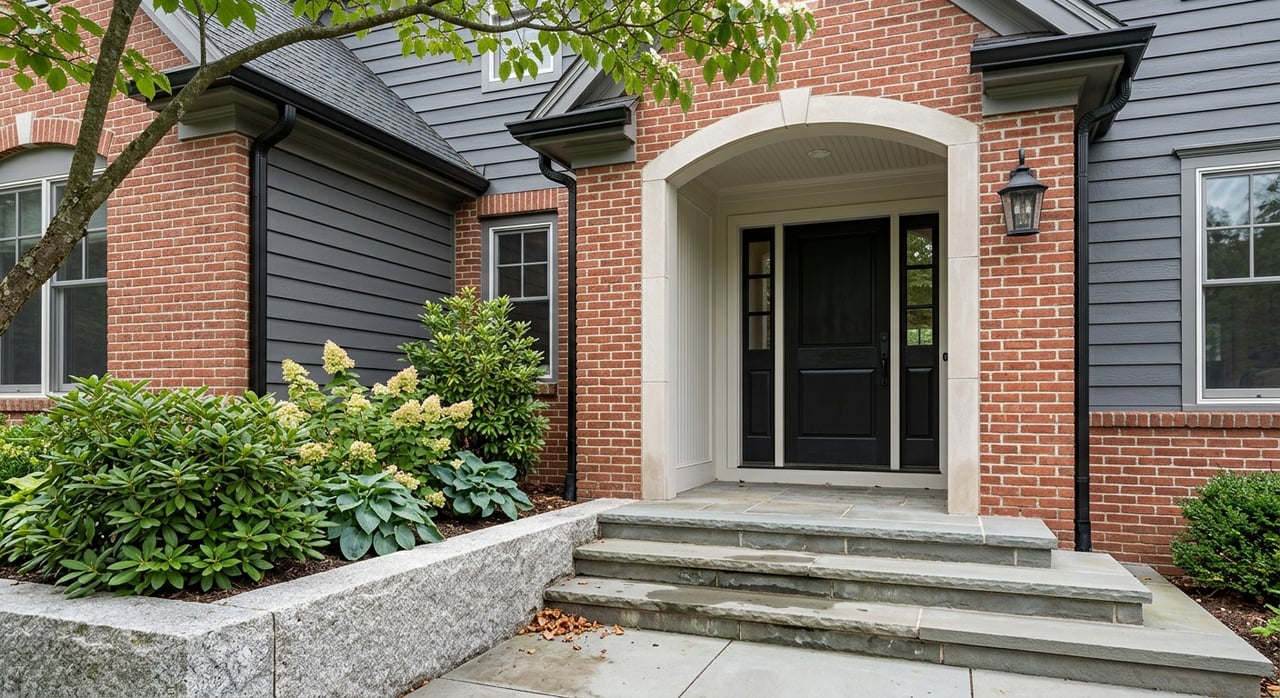
The historic sites guide catalogs many buildings, neighborhoods, and locations with architectural and historical significance. That includes residential examples such as Victorian houses and styles like Greek Revival, Queen Anne, and Shingle.
A varied housing mix
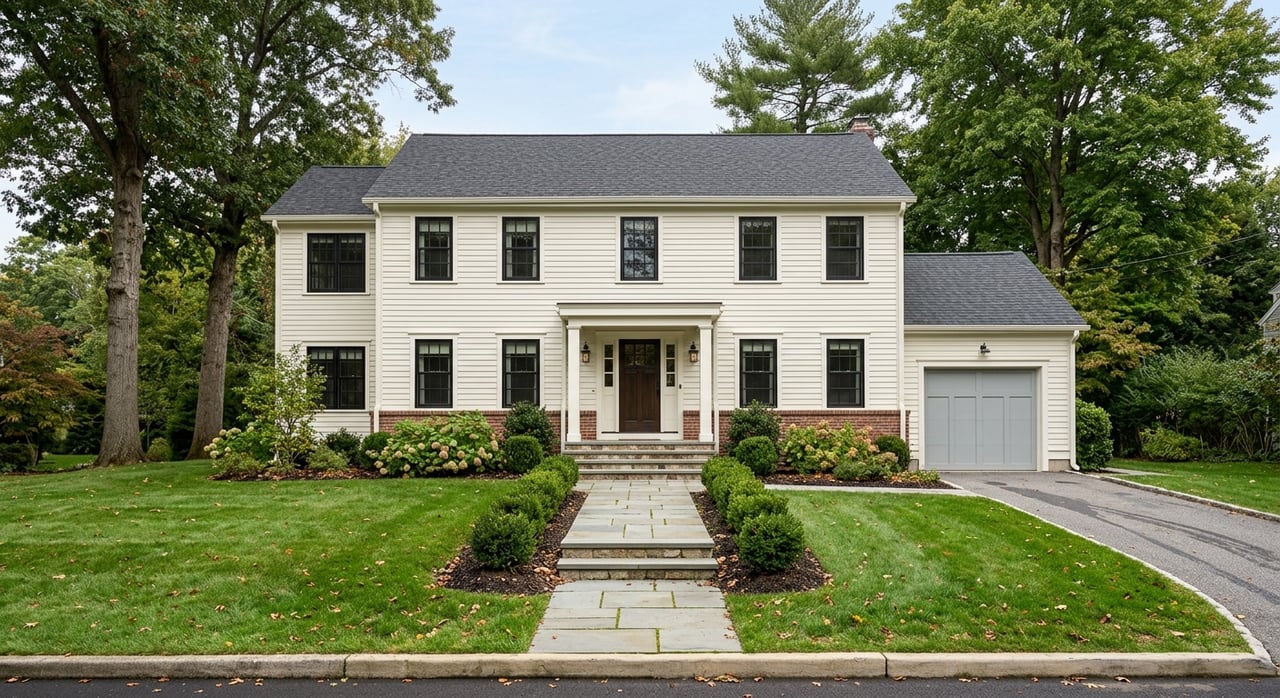
Ossining is not limited to one housing type. The village says the community includes homes ranging from modest houses to luxurious estates, while newer development on the waterfront and downtown adds apartment living and mixed-use density.
That variety can be helpful whether you are buying your first place, looking for a different layout, or planning a move that better fits your next stage. It also means you may see very different housing options within a relatively small geographic area.
Newer housing options
Village materials for Harbor Square describe one- and two-bedroom units, many with studies, near shopping, the post office, the library, waterfront parks, and recreation. The Aqueduct Hub page also says the planned Spring on Main development will include residential rental apartments.
For buyers and renters who want lower-maintenance living near amenities, those details matter. Ossining offers a blend of older housing stock, architecturally distinct homes, and more recent residential options.
Commuting from Ossining
For many people considering Ossining, the commute is a major factor. The village says Ossining station offers both express and local Hudson Line service, with express trains to Grand Central taking about 42 minutes and trains arriving roughly every half-hour.
That kind of rail access is one of Ossining’s strongest practical advantages. The village also notes a direct connection to Amtrak at Croton-Harmon one stop north, along with Bee-Line bus service and the Haverstraw-Ossining Ferry at the station dock.
Station access and features
Metro-North lists Ossining as an accessible station. Features include elevators, tactile warning strips, audiovisual passenger information systems, ticket machines, and public restrooms.
For regular commuters, those details can make a real difference. The station is built for routine use, not just occasional trips into the city.
Parking and transportation projects
Parking is part of everyday life in Ossining, especially if you commute by train or spend time downtown. The village says the station commuter lot includes 76 Metro-North metered spaces and about 400 Village permit spaces, with permit parking free on weekends and holidays.
Downtown, municipal parking includes on-street and off-street spaces that may be metered, timed, or permitted. The village is also advancing the Aqueduct Hub and Multi-Modal Transportation Hub project, which it says will add more than 200 parking spaces, e-bike charging and rentals, a rooftop solar array, and a plaza while supporting redevelopment at Main and Spring.
As of April 2026, the village said the Aqueduct Hub was under construction at the Brandreth Municipal Lot. The project is also expected to improve pedestrian access to the Old Croton Aqueduct Trail.
Who Ossining may appeal to
Ossining can make sense for different kinds of buyers because it offers more than one lifestyle in one community. Some people are drawn to the riverfront access and outdoor recreation. Others want a village setting with historic architecture and a real downtown.
It can also appeal to commuters who want direct Hudson Line service, or to buyers who value having a range of housing types to consider. The right fit depends on your budget, your commute, your preferred home style, and how much you want walkability, views, or easier access to outdoor space.
What to consider before moving
If you are thinking seriously about Ossining, it helps to look beyond the broad description and focus on how you want to live day to day. In a place shaped by hills, older streetscapes, and varied housing, location within the village can change your experience quite a bit.
A smart home search here usually starts with a few practical questions:
- Do you want quicker access to the train station?
- Are you hoping to be closer to the waterfront or trails?
- Do you prefer a historic village setting or a quieter residential street?
- Would a lower-maintenance condo or apartment fit your plans better than a single-family home?
- How important is parking for your household?
Those details matter because Ossining is not one uniform environment. It is a village with distinct sections, and each one offers something a little different.
If you are weighing a move to Ossining or trying to understand which part of the village best fits your goals, working with a local agent who can help you compare housing types, commute options, and day-to-day logistics can make the process much easier. If you want personalized guidance, reach out to Dominick Passafiume for thoughtful, local support.
FAQs
What is the overall feel of living in Ossining, NY?
- Ossining offers a mix of Hudson River waterfront access, a historic village center, and elevated residential streets, which gives the community a layered feel rather than a one-style suburban layout.
What outdoor amenities are available in Ossining, NY?
- The village says Ossining has 17 parks, plus riverfront access tied to Louis J. Engel Park, Henry Gourdine Park, the Westchester RiverWalk, Crawbuckie Nature Preserve, and the Old Croton Aqueduct Trail.
What is downtown Ossining, NY like?
- Downtown Ossining centers on the historic Crescent district and is known for late-19th-century architecture, mixed-use buildings, and a village layout that encourages walking and exploring.
What types of homes can you find in Ossining, NY?
- Village materials describe a varied housing mix that includes modest homes, larger estates, apartment living, mixed-use residential options, and architecturally significant older homes.
How is the commute from Ossining, NY to New York City?
- The village says Ossining station offers express and local Hudson Line service, with express trains to Grand Central taking about 42 minutes, plus bus service and ferry access at the station dock.
Is parking easy in Ossining, NY?
- Parking is an important part of daily life in Ossining, with station parking, municipal downtown parking, and an ongoing Aqueduct Hub project designed to expand parking and improve multimodal access.