Wondering how to sell your home in Yorktown Heights without getting tripped up by pricing, paperwork, or last-minute closing issues? If you are getting ready to move, it is normal to want the best possible sale price while also keeping the process as smooth as you can. This guide walks you through what to expect from prep to closing in Yorktown Heights, including what to fix, what documents to gather, how offers work in New York, and what costs may affect your proceeds. Let’s dive in.
Yorktown Heights Market Snapshot
If you are selling in Yorktown Heights, pricing strategy matters. Recent market data points to a market that is still active, but also sensitive to condition and price.
Across major housing platforms, homes have been selling in roughly 24 to 29 days, with median prices and list prices varying by source. Redfin shows a median sale price of $668,000 over the prior three months, Realtor.com reports 79 listings and average sales at 1.13% below asking, and Zillow places the median list price at $710,000 with homes going pending in about 26 days.
The takeaway is simple: buyers are paying attention, and overpricing can cost you momentum. In a market like this, the first couple of weeks after your home hits the market can shape the whole sale.
Prep Your Home Before Listing
Before photos, showings, or open houses, your focus should be on making your home easy to understand and easy to buy. That means improving presentation and getting your records in order early.
Gather Key Documents First
Start by pulling together the documents a buyer, attorney, or title company may ask for later. Having these ready can help reduce delays once you accept an offer.
Important items often include:
- Deed
- Survey
- Permit history
- Certificates of occupancy
- Service and repair records
- HOA or common-charge documents, if applicable
In Yorktown, permits and certificates of occupancy matter because the Town Building Department handles permits, certificates of occupancy, and code enforcement. The Town also requires a building permit before construction, enlargement, alteration, or moving of a structure, so unpermitted work can become a real issue during a sale.
Westchester County also notes that its parcel viewer is for general planning only and should not replace a deed or survey. If you are relying on old records or unclear property information, it is smart to sort that out before listing.
Focus on High-Impact Updates
You do not always need a major renovation to improve your sale. In many cases, visible, buyer-facing updates have the strongest payoff.
In the National Association of Realtors 2025 home staging research, 49% of sellers’ agents said staging reduced time on market, and 29% said it increased the dollar value offered by 1% to 10%. The same research found that 83% of buyers’ agents said staging made it easier for buyers to picture the property as their future home.
For many Yorktown Heights sellers, that means prioritizing:
- Deep cleaning
- Decluttering
- Paint touch-ups
- Better lighting
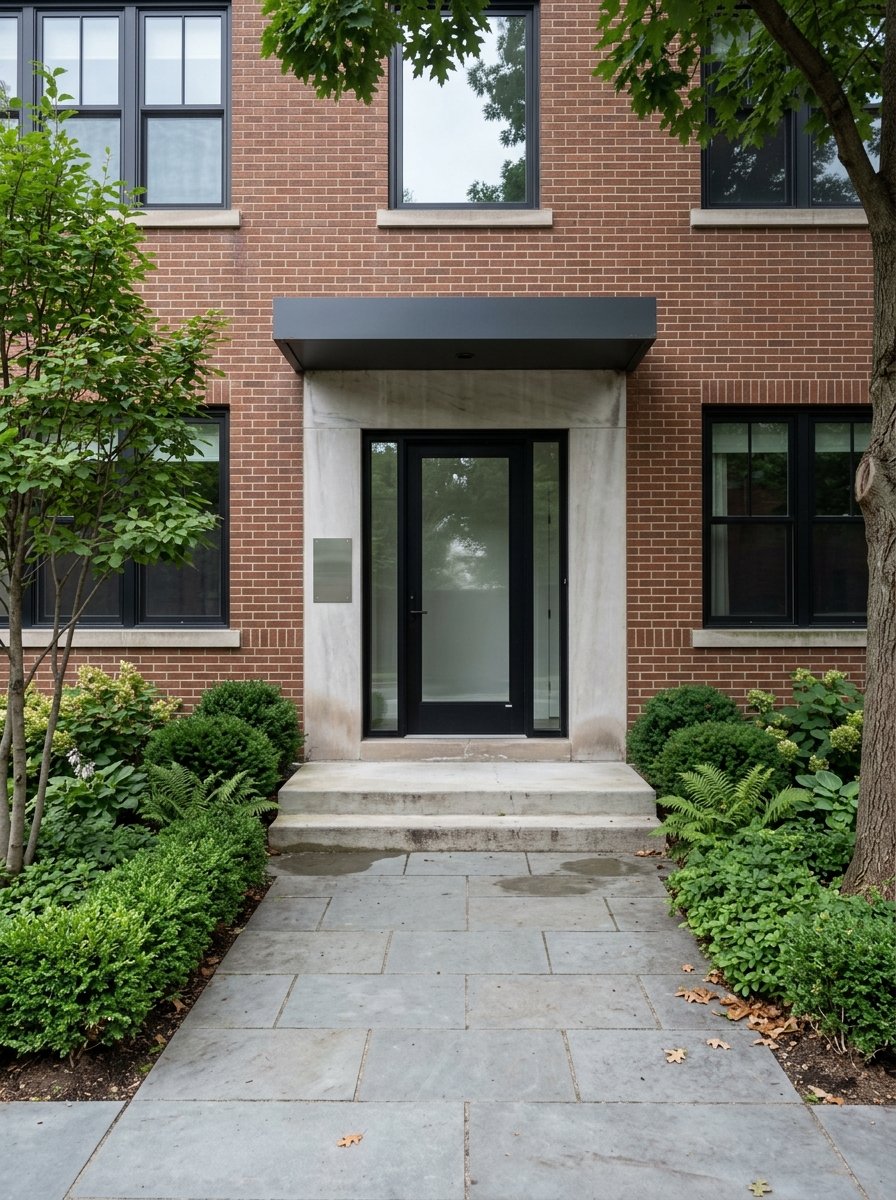
- Curb appeal improvements
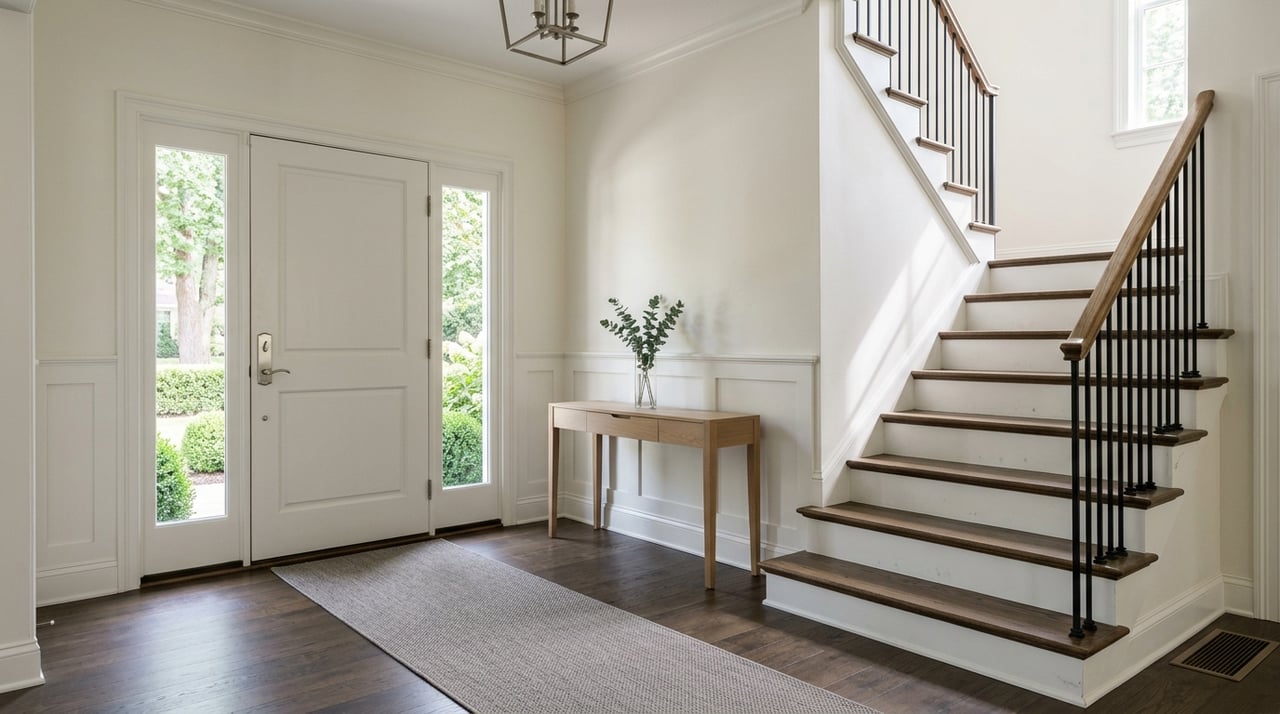
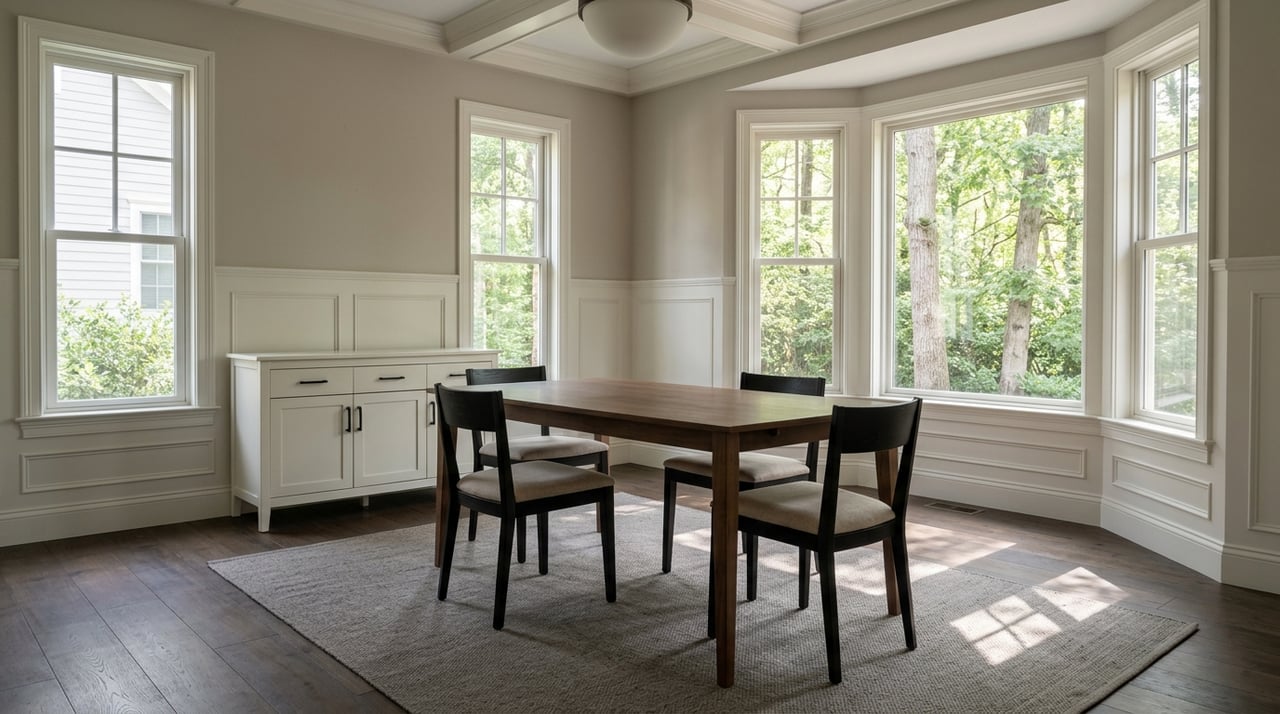
- Selective staging in main living spaces, kitchens, and primary bedrooms
These are often the updates buyers notice first in photos and in person. They can also help your home feel move-in ready, which matters in a market where buyers may compare your listing closely against nearby options.
Price for Today’s Market
A strong pricing strategy should be based on recent comparable sales, your home’s condition, and current local demand. It should not be based only on what you hope to net or what an automated estimate suggests.
Because Yorktown Heights homes are moving in about a month on average, the early response to your listing matters. If your home is priced too high, you may miss the most valuable window of attention and end up chasing the market later.
The best pricing conversations usually look at:
- Very recent comparable sales
- Active competition in Yorktown Heights
- Your home’s condition and updates
- Lot, layout, and size differences
- Any issues that may affect buyer confidence, such as permit or occupancy questions
In this kind of market, realistic pricing can help you attract stronger early interest and better negotiating leverage.
Photos and Showings Matter More Than Ever
Most buyers will see your home online before they ever step inside. That means your listing photos and overall presentation can shape whether they decide to schedule a showing.
Staged, bright, well-prepared homes tend to make a stronger first impression online. NAR’s 2025 staging research found that buyers were more willing to schedule a showing after seeing a staged home online, which supports the value of thoughtful preparation before launch.
To make showings easier and more effective, try to:
- Keep surfaces clear
- Open blinds and curtains for natural light
- Replace burnt-out bulbs
- Minimize personal items
- Stay consistent with cleaning during the showing period
A clean and organized showing plan can make your home easier to tour and easier to remember.
Understand New York Disclosures
One of the most important seller tasks in New York is the Property Condition Disclosure Statement. For most residential one-to-four-family home sales, the seller generally must complete and deliver this form before the buyer signs a binding contract of sale.
The form is based on your actual knowledge, which is why it helps to review old invoices, contractor notes, permits, and repair history ahead of time. The current form asks about a wide range of property conditions, including lead-based paint concerns for pre-1978 homes, floodplain or wetland location, fuel tanks, septic or cesspool systems, asbestos, radon, mold, water damage, and similar issues.
The disclosure is not a warranty, and it does not replace inspections. It also does not apply to every property type, including certain condos, co-ops, and some HOA properties that are not owned fee simple by the seller.
What Happens After You Accept an Offer
In New York, an accepted offer is an important step, but it is not the finish line. Attorney review is a normal part of the process.
The New York State Bar Association notes that a broker-prepared contract is usually subject to attorney approval within a short time. The contract should spell out key terms like price, deed type, possession date, closing date, included personal property, and contingencies such as mortgage approval.
For you as a seller, the practical point is that the deal is not fully settled until the contract is signed and attorney review is complete. That is why clear communication and organized paperwork can make such a difference.
Be Ready for Inspection and Title Questions
Once the home is under contract, the buyer’s attorney generally orders title work. At that stage, title review, survey review, and the home inspection process move forward.
The New York State Bar Association says title searches, title insurance commitments, and survey review are routine parts of the transaction. It also notes that New York home inspectors are licensed and must provide a written report within five business days after the inspection.
In Yorktown Heights, common post-inspection or post-review questions may involve:
- Repairs or credit requests
- Permit history
- Certificates of occupancy
- Encroachments
- Drainage concerns
- Oil tanks
- Unfinished renovations
This is another reason it helps to address known issues before listing, rather than waiting for a buyer to uncover them.
How Closing Works in Westchester County
Closing is where ownership transfers and the financial side of the transaction gets finalized. The deed and other closing documents are signed, the buyer pays the balance of the purchase price, and you receive your net proceeds after adjustments and payoffs.
According to the New York State Bar Association, the seller’s attorney usually prepares the deed and related closing documents, while the lender or title company prepares the closing statement. Taxes and other recurring charges are commonly adjusted or prorated at closing.
If your property has open permits, unresolved certificate-of-occupancy questions, or unfinished work, those issues can slow things down. In Yorktown, the Building Department is the place to address those matters before closing.
Costs That May Affect Your Proceeds
Many sellers focus on the sale price, but your net proceeds are what matter most. Several items may come out of your proceeds at closing.
Common closing-related costs can include:
- Mortgage payoff, if any
- Real estate transfer tax
- Attorney-related closing costs
- Prorated taxes and other recurring charges
- Lien payoffs, if applicable
New York State imposes a real estate transfer tax of $2 for each $500 of consideration when the amount exceeds $500. The seller, as grantor, is generally primarily responsible unless the contract shifts payment to the buyer.
In Westchester County, there is also an additional 1% county transfer tax on residences that sell for $1 million or more. Before closing day, it is important to confirm tax allocation, payoff figures, and recording requirements with your attorney and title company.
A Smoother Sale Starts Early
Selling a home in Yorktown Heights is not just about putting a sign in the yard. It is about preparing the home, pricing it carefully, presenting it well, and staying ahead of the paperwork that can affect your timeline.
When you know what buyers, attorneys, inspectors, and title professionals are likely to ask for, you can make better decisions from the start. A calm, organized approach can help you protect your leverage, reduce surprises, and move from listing to closing with more confidence.
If you are thinking about selling in Yorktown Heights and want honest, organized guidance from start to finish, reach out to Dominick Passafiume.
FAQs
What should you fix before listing a home in Yorktown Heights?
- Focus first on visible, high-impact items like cleaning, decluttering, paint touch-ups, lighting, curb appeal, and selective staging, while also addressing known permit or occupancy issues that could affect the sale.
Do you have to complete the New York Property Condition Disclosure Statement when selling?
- For most one-to-four-family residential sales in New York, yes, the seller generally must complete and deliver the form before the buyer signs a binding contract, though some property types and situations are excluded.
How do permits and certificates of occupancy affect a Yorktown Heights sale?
- Missing permits, open permits, or unclear certificate-of-occupancy status can create delays or negotiation issues, so it is best to review those records with Yorktown’s Building Department before listing.
How long does it usually take to sell a home in Yorktown Heights?
- Recent market data suggests homes are going under contract in roughly 24 to 29 days on average, though your timeline can vary based on price, condition, presentation, and what comes up during contract and closing.
What costs usually come out of your proceeds at closing in Westchester County?
- Sellers commonly pay items like mortgage payoff, transfer taxes, prorated charges, lien payoffs if any, and attorney-related closing costs, with Westchester’s additional 1% county transfer tax applying to residences sold for $1 million or more.