Thinking about trading tight suburbs for more space without feeling cut off from the city? Putnam Valley offers a version of Hudson Valley living that feels quieter, greener, and more spread out, while still keeping New York City within reach. If you are wondering what daily life, housing, and commuting really look like here, this guide will help you understand what makes Putnam Valley stand out. Let’s dive in.
Why Putnam Valley Draws Buyers
Putnam Valley is a town in Putnam County, with a scenic setting shaped by lakes, hills, and protected forest. The town describes itself as less than an hour from Midtown Manhattan by car, and the school district says it is about an hour north of New York City. That balance is a big part of the appeal if you want a more rural feel without leaving the lower Hudson Valley orbit.
This is also a relatively small community. The 2020 Census counted 11,762 residents, which helps explain why Putnam Valley often feels more tucked away than larger suburban markets nearby. If you are looking for a place where natural surroundings are part of everyday life, this town tends to make a strong first impression.
A Setting Built Around Nature
Putnam Valley leans into its identity as the Town of Lakes. The town highlights places like Lake Oscawana, Peekskill Hollow Creek, and the surrounding wooded landscape as central parts of local life. Instead of a highly built-up suburban pattern, you will find an environment where water, trees, and rolling terrain shape the experience of living here.
Lake Oscawana is the largest of the town’s lakes and ponds, and it is known as a focal point for swimming, boating, fishing, and wildlife observation. That matters for buyers because in Putnam Valley, lifestyle and setting are closely linked. In many cases, the view from your property, the road you live on, or whether you have access to a lake can be just as important as square footage.
Outdoor Recreation Is Part of Daily Life
One of the biggest lifestyle anchors in the area is Clarence Fahnestock Memorial State Park. New York State Parks says the park spans roughly 15,000 acres across Putnam and Dutchess counties and offers hiking, biking, equestrian trails, boating, fishing, camping, cabins, sledding, snowshoeing, and cross-country skiing. For many buyers, that kind of access is not just a weekend bonus. It becomes part of how they choose where to live.
If you enjoy being outside, Putnam Valley gives you options throughout the year. Warmer months support hiking, paddling, and time by the water, while colder months bring a different set of recreation opportunities. That all adds up to a location that feels especially well suited to people who want more than just a house and a commute.
What the Housing Market Feels Like
Putnam Valley is a market where homeownership is common. Census QuickFacts reports an owner-occupied housing unit rate of 89.3%, a median owner-occupied home value of $473,500, and a median gross rent of $2,153 for 2019 through 2023. That suggests a community where many residents are long-term homeowners rather than short-term renters.
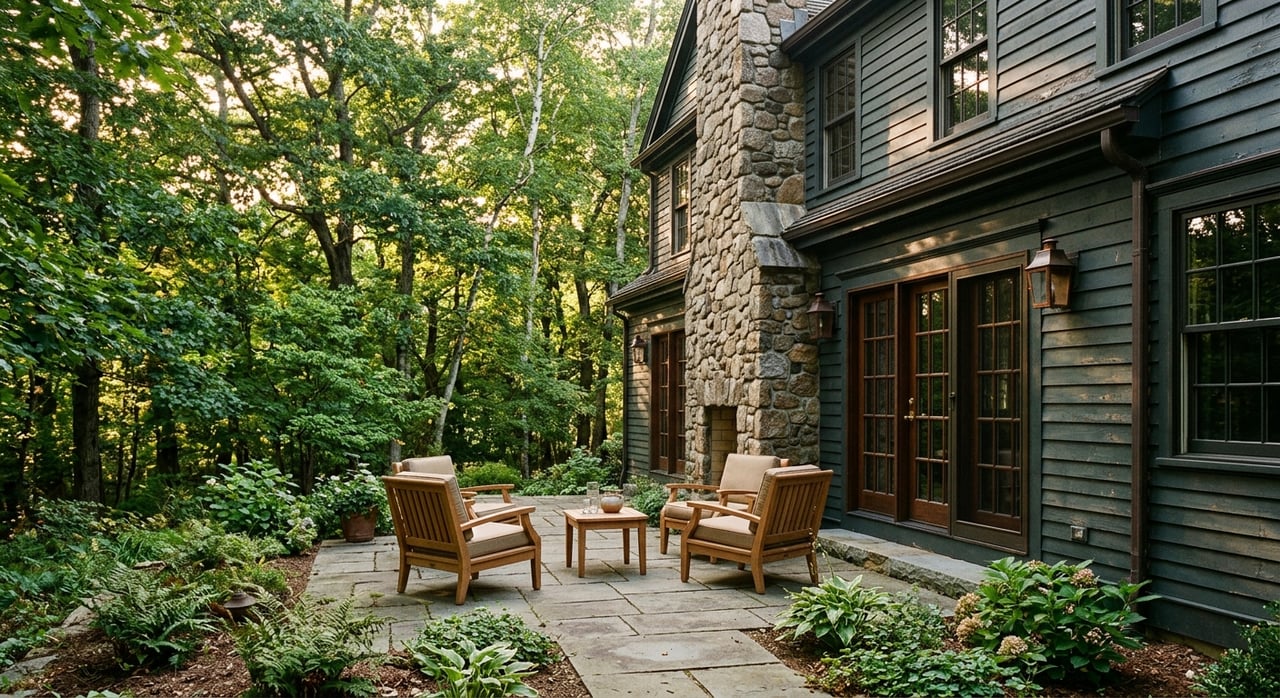
In practical terms, the housing story here is less about dense subdivisions and more about individual properties shaped by the land around them. Buyers are often drawn to privacy, mature trees, larger lots, and a quieter setting. If that is what you picture when you think of country living near the city, Putnam Valley fits the description well.
Common Home Styles in Putnam Valley
Recent listing snapshots show a mix of detached single-family homes. You may come across ranches, colonials, contemporaries, and cabin-style or log-cabin homes, with some properties on wooded acreage or connected to lake access. That variety gives the market a more custom, less uniform feel than many suburban communities.
This means your home search may involve comparing very different property types. One home might sit on several private acres, while another may be part of a lake-oriented neighborhood with a different ownership setup or access pattern. Buyers who come in expecting one standard product often find that Putnam Valley requires a more detailed, property-by-property approach.
How the Landscape Shapes Neighborhood Character
The town’s zoning map adds useful context. It includes designations such as Rural Residential, Lake Peekskill Residential, Conservation District, and Preservation District. While that does not tell you everything about a specific home, it does reinforce that Putnam Valley is made up of varied residential pockets rather than one repeating neighborhood model.
That is important when you are comparing locations within town. Some areas may feel more tied to lakes and community access, while others may feel more wooded, private, or conservation-oriented. As a buyer, it helps to think beyond the house itself and ask how the surrounding land use may affect daily life, future plans, and the feel of the area.
Lake Rights and Community Access Matter
In Putnam Valley, lake life can be part of the ownership story. Town-related district and committee pages show that some neighborhoods are organized around lakes, beaches, and shared stewardship. In other words, not every lake-area property works the same way, and access can be a major point to clarify early.
If you are drawn to homes near Lake Oscawana, Lake Peekskill, or other water-oriented sections of town, you will want to confirm details such as lake rights, beach access, and whether a property is part of a district or association structure. These are not small details. They can shape both your lifestyle and your understanding of what comes with the property.
Commuting From Putnam Valley
Putnam Valley is still a car-first community. The town says the Taconic Parkway cuts through Putnam Valley, and town mapping also identifies the Taconic State Parkway and State Route 301. For many residents, those road connections are what make the location workable for travel to nearby job centers, shopping areas, and rail stations.
If you commute to New York City, the practical reality is that you will likely drive for at least part of the trip. The town says it is less than an hour from Midtown Manhattan by car, but timing can vary with traffic and your exact starting point in town. That makes it smart to test drive routes that matter most to your routine before you commit to a purchase.
Train Access for City Commuters
Putnam Valley does not have its own in-town Metro-North station listed on the Hudson Line schedule. The MTA Hudson Line serves the broader corridor with stations including Croton-Harmon, Cortlandt, Peekskill, and Garrison. For many buyers, that means train commuting from Putnam Valley usually starts with a drive to a nearby station.
That setup is not unusual for rural and semi-rural Hudson Valley living, but it is worth planning around. If rail access matters to you, the real question is often not just whether the train is available, but which station fits best with your home search area and daily schedule.
Daily Life Beyond the Commute
Putnam Valley tends to appeal to buyers who value space, privacy, and outdoor access more than a walkable downtown setup. The town’s overall pattern points to a lifestyle centered on home, land, local roads, and recreation rather than dense retail corridors. For some buyers, that is exactly the point.
This can be a great fit if you want your home base to feel calmer and more removed. It may be less ideal if your top priority is living steps from shops, restaurants, or a train station. Knowing which lifestyle matters most to you will help you decide whether Putnam Valley is the right match.
What Families Often Want to Know
The Putnam Valley Central School District serves the community. The district says it serves roughly 2,000 students across three schools and is located in Putnam County, about an hour north of New York City. For buyers who are planning around school logistics, that provides a useful starting point for understanding the local structure.
As with any move, it helps to look at practical factors such as commute patterns, transportation needs, and how a specific property location fits your routine. In a town with a more spread-out layout, those day-to-day details can have a bigger impact than you might expect.
Is Putnam Valley Right for You?
Putnam Valley is best understood as a place where country living and regional access meet. It offers lakes, wooded lots, outdoor recreation, and a housing stock that often feels more individual than typical suburbia. At the same time, roads and nearby rail access keep it connected to the broader Hudson Valley and New York City sphere.
If you are searching for more land, more privacy, and a home that feels close to nature, this town deserves a serious look. The key is knowing how to evaluate the details that matter here most, from lake access to commuting patterns to the differences between one pocket of town and another.
Buying in a place like Putnam Valley is rarely just about finding enough bedrooms. It is about finding the right setting, the right access, and the right fit for how you want to live. If you want thoughtful guidance as you explore Putnam Valley and nearby Hudson Valley markets, Dominick Passafiume can help you navigate the process with clear advice and local insight.
FAQs
What is Putnam Valley, NY known for?
- Putnam Valley is known for its scenic setting, lakes, wooded landscape, and access to Clarence Fahnestock Memorial State Park, along with its location about an hour north of New York City.
What types of homes are common in Putnam Valley, NY?
- Putnam Valley commonly features detached single-family homes, including ranches, colonials, contemporaries, and cabin-style or log-cabin homes, with some properties on wooded acreage or tied to lake access.
Is Putnam Valley, NY a good fit for commuters?
- Putnam Valley can work for commuters who are comfortable with a car-first routine, since major road access is available and many train commuters drive to nearby Hudson Line stations.
Are there lake-access homes in Putnam Valley, NY?
- Yes, some Putnam Valley areas are organized around lakes, beaches, and shared stewardship, so certain properties may include lake rights or community access depending on the location.
What is the housing market like in Putnam Valley, NY?
- Putnam Valley is a largely owner-occupied market, with Census QuickFacts reporting an 89.3% owner-occupied housing rate and a median owner-occupied home value of $473,500 for 2019 through 2023.